
Morkel's Wind Warning: Why India Must Ignore Public Opinion

Published 2026-10-31 · By Nikhil Menon (Live Scorecard Director · Mumbai Desk)
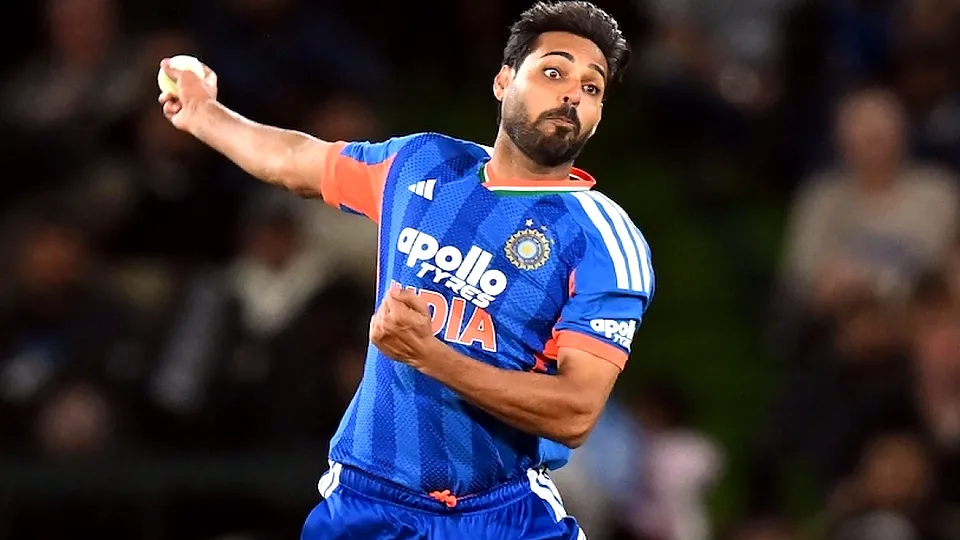
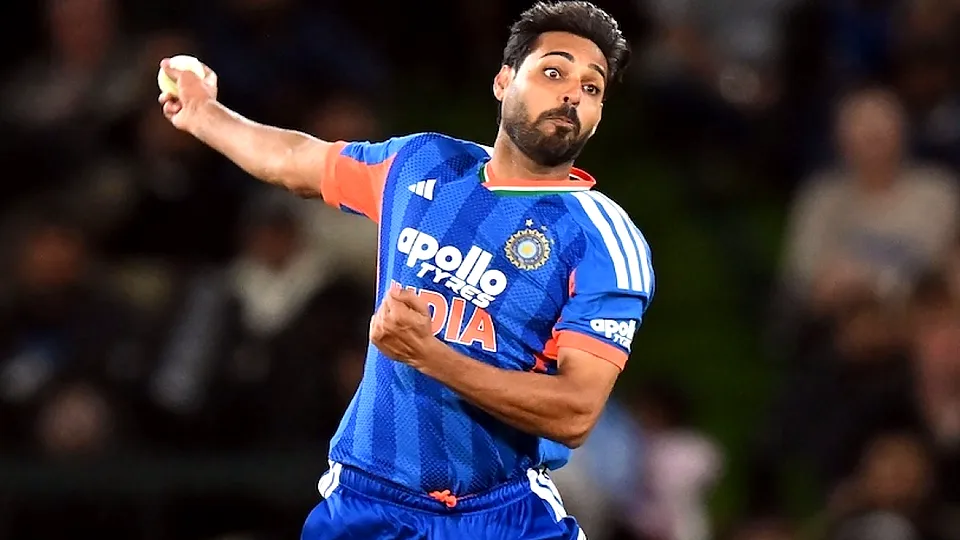
The Wellington wind is not a gentle breeze. It is a physical force that will rip the ball out of your hand if you hesitate for a fraction of a second. Morne Morkel, speaking from the comfort of post-match analysis, dropped a line that stuck in my throat. He told Bhuvneshwar to "block the expectation factor out."
That is not just cricket advice. That is survival advice.
The Noise vs. The Need
We Indians love to project. We project onto the spinner who hasn't bowled a ball in six months. We project onto the opening bat who is struggling against pace but looks good in the nets. Morkel’s point is brutal in its simplicity: you need a very strong fan at home. But who is that fan? Is it the crowd in Mumbai? Is it the algorithm on your phone? Or is it the dry, dusty track at the Basin Reserve?
Walk into the fan, not the expectation.
Let’s talk boundaries. The Wellington dimensions are tight. The ropes are close. But the air is moving. When you are playing a left-handed opener against right-arm wrist-spin, the wind creates a ghost tail. The ball drifts laterally. A standard drive fails because the ball is not where your eyes see it. It is where the wind *wants* it to be. This is why the left-right batting pairs matter here. You need two hands that can adapt to the lateral deviation. You cannot freeze your stance on a moving pitch.
The Impact Player Dilemma
Now, here is where it gets messy for the selection committee back in India. The Impact Player rule changes everything. It means you don't just pick an XI. You pick a squad of 14 that you can swap in on the fly.
- You need a specialist sweeper for the dew factor after 8:30 PM IST.
- You need a quick bat who can score off the back foot against the skiddy hard length.
- You need a bowler who can bowl into the pitch without getting trapped.
Most teams try to cover all bases. They fail. They overthink it. They look at the stats. They look at the form. They forget the wind.
"Make sure you get a very strong fan at home and you walk into the fan."
Morne Morkel
Why the Middle-Overs Choke
India’s middle overs are a mess right now. Not because the bowlers are bad. Because they are scared of the expectation. If a bowler thinks he has to take a wicket, he moves the ball too much. If he moves the ball too much against the wind, it goes wide. Or it dies. The "sticky red-soil track" equivalent in New Zealand is this dry, hard surface that offers grip but punishes aggression.
Bhuvneshwar knows this. He is not a spinner. He is a left-armer who bowls in the air. Against the wind, he must shorten his run-up. He must use the bounce. He must not fight the air. He must ride it.
This is where the scouting eye matters. I have watched too many IPL auctions where teams buy "potential" instead of "stability." In T20 cricket, stability is a luxury. In Tests, it is currency. The Impact Player is your stability. You swap out the batsman who is getting caught in the deep. You swap in the batter who can punt the ball over the top of the field.
The Pre-Toss Dilemma
Before the toss, the captain faces a question: Who do I keep out? Not who do I put in. Who do I banish to the bench?
If the dew is heavy, you banish the swing bowlers. They cannot grip the ball. You need the wrist spinners. But can they bowl into the pitch? If the wicket is skiddy, the spinner’s ball comes on too early. It is a trap. The batter expects the turn. The ball doesn't give it. The edge goes to the deep mid-wicket.
Morkel’s joke is the truth. Stop worrying about what the fans on social media think. Stop worrying about the "live roulette" of betting odds or the hype machine. Focus on the ball. Focus on the seam. Focus on the wind.
India’s boundary-percentage is high. But high against pace in India. Against the Wellington wind, that percentage drops. You have to adjust. You have to be contrarian. You have to be the bowler who bowls straighter when everyone else is trying to swing. You have to be the batter who picks the ball up early, not when it hits the pitch.
The new ball did the talking yesterday. Today, the old ball will talk. Can Bhuvneshwar listen?
He has to. Or the Impact Player will not save him.
Related coverage
- PBKS vs GT: The 7-15 Over Spin Squeeze & The Rupee Roulette Factor
- Auqib Nabi's NZ Call-up: A High-Stakes Gamble on Raw Pace

Updated 2026-10-31 · Instant Rupee Deposits & 60s Withdrawals · 24/7 Support.
Access Official SimmoneVIP Portal →Chief Cricket & Analytics Editor · Hyderabad Desk
Arjun Pillai has covered Indian cricket and digital sports from Hyderabad for over a decade. At SimmoneVIP (simmonehowell.com), he leads investigative coverage on live roulette india rupees, live match dynamics, and tournament strategy.
Reader Discussion & Match Reactions (4)4.8★ Community (4 Comments)
Verified Indian cricket reader perspectives & tactical debate on simmonehowell.com
Hard numbers don't lie on Morkel's Wind Warning. It is a physical force that will rip the ball out of your hand if you hesitate for a fraction of a second. If Morkel sustains that trajectory over the next five fixtures, the NRR impact alone will be massive.
Everyone is praising Morkel right now, yet morne Morkel, speaking from the comfort of post-match analysis, dropped a line that stuck in my throat. Consistency across a full five-match stretch matters more than a single headline result.
So glad to see proper coverage of Morkel and Wind Warning here. He told Bhuvneshwar to "block the expectation factor out." That is not just cricket advice. State associations and domestic tournaments are where this resilience is actually built.
@Saurabh_NRR Totally agree with your take on Morkel, and I'd add that the Need We Indians love to project. Once the second innings dew sets in, that factor doubles.