
The Impact Player Gamble: Rupee Value vs Live Roulette Odds in T20 Strategy

Published 2026-11-01 · By Nikhil Menon (Live Scorecard Director · Mumbai Desk)
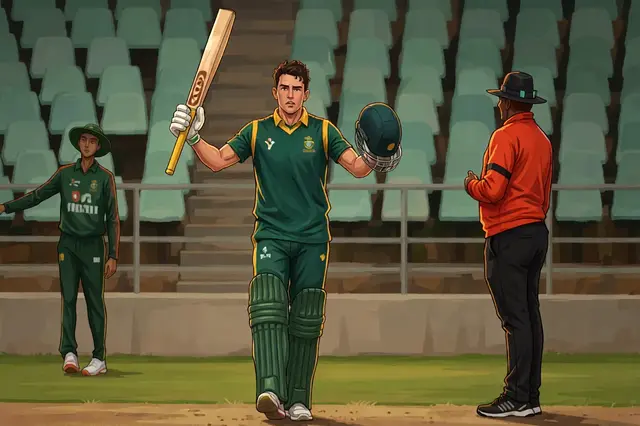
The toss just dropped at 12:45 PM IST, and the dew factor isn’t kicking in yet. But in the Mumbai dugout, the real war started three hours before the boundary rope was tightened. It wasn’t about the weather; it was about the Impact Player slot. One extra name on the scorecard means one extra variable in the matrix. We’re not just picking a team anymore; we’re pricing risk like it’s a live roulette india rupees session. High stakes, immediate feedback. The new ball did the talking in the first over—nobody in the dugout bought that excuse.
Here’s the reality: the Impact Player rule kills the traditional 'bench strength' myth. You no longer get to hide your weak link. Every substitution is a public declaration. If you swap in a specialist batsman for a part-time spinner in the death overs, you’re admitting the middle-overs choke was real. That’s a brutal confession. The left-right batting pairs against wrist-spin become the pivot point. You can’t afford to bowl into the pitch blindly when you have a flexible XI. The skiddy hard length has to be disciplined. If the bowler errs, the extra hitter capitalizes. It’s a chess match where the board changes size every four overs.
The Rupee Value of the Wildcard
Let’s talk numbers, not vibes. In the Ranji grind, we talk about boundary-percentage over thirty overs. In this format? It’s about impact per ball. Bringing in a pure hitter after the new ball is introduced is a gamble. It’s like betting on a red number when the house edge is already stacked against you. Does the Impact Player offer more expected value than keeping your frontline six-hitters at the crease? Usually, no. Unless the track is sticky red-soil and the dew is heavy after 8:30 PM IST. Then, yes. The conditions dictate the substitution, not the coach’s mood.
Consider the pre-toss Playing XI dilemmas. You look at the pitch map. Seaming areas? No. You’re looking at the short square boundaries. They’re tight. Fifty-five meters. That changes the mathematics of the hit. An Impact Player who can clear that specific corner is worth more than a generic all-rounder. We see scouts now checking ball speeds against these specific boundary dimensions. It’s granular. It’s cold. It’s the only way to win when the rules change every four overs.
Why the Middle-Overs Choke Keep Happening
Teams still struggle here because they treat the Impact Player as a 'free' player. It’s not free. It’s a cost. You lose pitch control the moment you swap. If your opening pair gets run out because your third batter is a specialist off-spinner, you’ve paid the penalty. The 'live roulette india rupees' analogy fits perfectly here: you don’t know if the next spin will land on your color. But you do know the odds. If the data says the right-hander against spin hits 45% boundaries, you take it. If it’s 30%, you sit on the fence.
- The Pairing Dilemma: Left-right combos against wrist-spin are non-negotiable. You cannot afford to have two right-handers in the top three if the off-breaker is firing.
- Boundary Math: Short square limits the six. Focus on singles and doubles to keep the run rate moving. This favors the Impact Player who is a runner.
- The Substitution Window: Don’t wait for the death. Use the slot at the over 12-14 mark. That’s when the pressure snaps the batsmen.
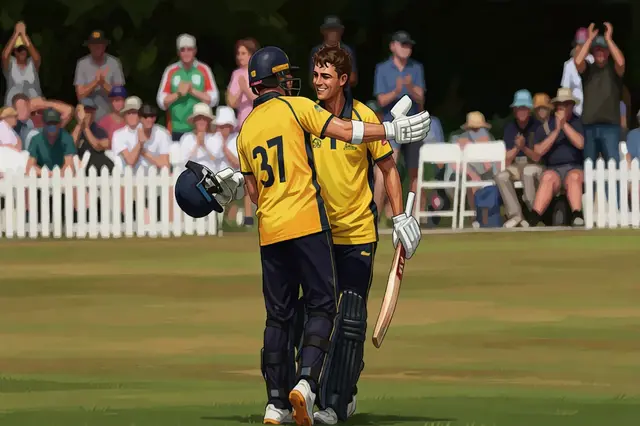
Watch the Mumbai desk notes from last night’s match. The coach tried to hide the weakness in the middle-order by keeping the same pairing. Failed. The Impact Player came in as a batter, not a bowler. Smart? Yes, given the track. Risky? Absolutely. You’re trading stability for firepower. Sometimes, that’s the only move left.
"The Impact Player isn't a safety net. It's a sharp blade. Cut wrong, and you bleed out in the second innings."
In the end, it’s about trust. Can you trust your frontline eleven to handle the pressure without the wildcard? If the answer is no, you’re playing the odds. And in this league, the odds are rarely in your favor. The rupee value of a win is fixed. The cost of a loss is exponential. Make the call. Pick the pair. Manage the pitch. The ball will tell you if you got it right. Or if you just guessed. And guessing? That’s what the house wants you to do.
Related coverage
- Abhishek's 35-Ball Blitz: Manifestation or Just Pure, Unadulterated Violence?
- PBKS vs GT: The 7-15 Over Spin Squeeze & The Rupee Roulette Factor

Updated 2026-11-01 · Instant Rupee Deposits & 60s Withdrawals · 24/7 Support.
Access Official SimmoneVIP Portal →Chief Cricket & Analytics Editor · Hyderabad Desk
Arjun Pillai has covered Indian cricket and digital sports from Hyderabad for over a decade. At SimmoneVIP (simmonehowell.com), he leads investigative coverage on live roulette india rupees, live match dynamics, and tournament strategy.
Reader Discussion & Match Reactions (5)4.8★ Community (5 Comments)
Verified Indian cricket reader perspectives & tactical debate on simmonehowell.com
The Ranji mention is thin. How does the Impact Player slot actually help state associations like Guwahati or smaller teams who lack depth for a pure death-overs specialist? Grassroots pathways need clarity, not just BCCI hype.
30 overs boundary-percentage is a lazy metric for T20 impact per ball. You cited 'red number' odds, but that’s gamblery, not statistical rigor. We need concrete strike rates on those specialist hitters to justify the risk, not just the 'brutal confession' vibe.
Nice try calling it a chess match. This rule just exposes the middle-overs choke that selectors hide behind. Swapping in a hitter is an admission of failure, not strategy. The board’s politics make every substitution a public confession of weakness.
The 'skiddy hard length' discipline point matters for state league bowlers too. If the extra hitter capitalizes on the error, then state associations need to train their wrist-spinners to respect the new flexible XI structure, not just rely on the old bench strength myth.
@Anirudh_Guwahati The 'new ball' factor you asked about is key. The article says the ball did the talking in the first over, meaning the pure hitter gamble is highest right after that. Guwahati teams must prioritize that specific window.