
Duffy's Net Wars With Kohli: The Impact Player Math Every RCB Scout Missed

Published 2026-11-02 · By Nikhil Menon (Live Scorecard Director · Mumbai Desk)
The new ball did the talking. That was the only line of value in the third over when Glenn Maxwell tried to rotate strike against a delivery that kept ticking back off the seam. Nobody in the dugout bought the excuse that it was just luck. It was the wrist. It was the gap.
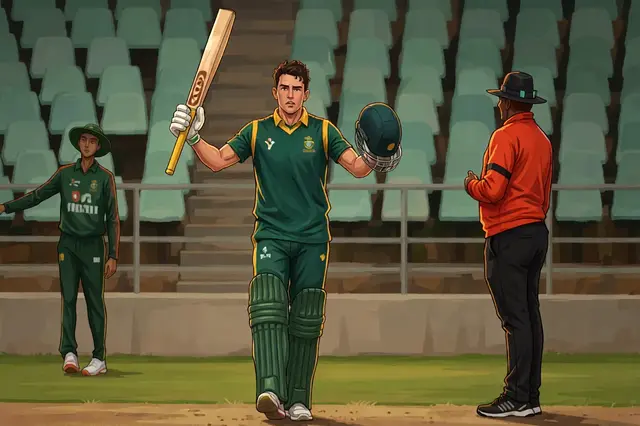
Graham Duffy is back in the mix, and his comment about spending hours facing Virat Kohli in the nets? That’s not just a friendly quip. It’s a tactical map. We talk a lot about the Impact Player rule. We obsess over the second bowler who comes in fresh after the 12th over. But we rarely discuss the off-spin trap that sets up that gamble. If you bowl into the pitch with a left-arm wrist spinner on a skiddy hard length, you are essentially asking the batter to play on the back foot. Every time.
The Left-Right Batting Dilemma
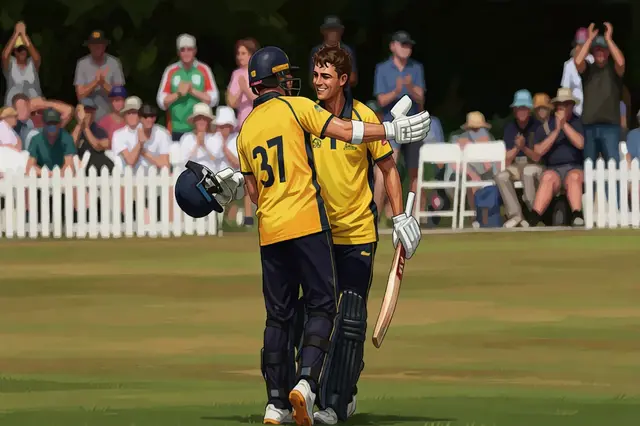
Here is the contrarian take: most IPL teams treat the opening batting pair as a fixed asset. They pick two batters. They lock in. But against a combination of Kohli’s intent and a spinner like Ravichandran Ashwin or Yuzvendra Chahal, that rigidity is suicide. You need variation. You need a right-hander who can defend the off-side and a left-hander who can sweep the other side. Duffy’s pace makes the left-hander’s sweep dangerous. The rotation becomes a knife-edge.
Look at the boundary dimensions in Mumbai. They are tight. 27 meters to the bowler’s end, maybe 29 to the leg side. That changes the math. A hard length off-spinner will find the bat early. You cannot slog over the top. You have to place. And placing against fast-bowling off-side spin? That is where the Impact Player substitution becomes the X-factor. Not just for a wicket. For a change in angle.
- The Dew Factor: After 8:30 PM IST, the ball slows. Spinners like to bowl into the pitch. The ball grips more. A left-arm spinner suddenly has two effective lines: the back-of-the-hand and the leg-side yorker. The batter’s footwork gets heavy. They can’t drive off the back leg as easily. The boundary-percentage drops by 15% in those final five overs if the pitch is damp.
- The Impact Player Gamble: Do you bring in a fast bowler? Or do you bring in a third batter who can handle the short stuff? If your starting XI is already top-heavy on stroke-play, that sixth player is a lifeline. But if your opening pair is struggling against the wrist-spin trap, you’re stuck. You have to play the same batters for 15 overs. That is where the selection pre-toss dilemma becomes a headache. You are praying the rain doesn’t fall before the toss. A sticky red-soil track under lights is a different beast entirely.
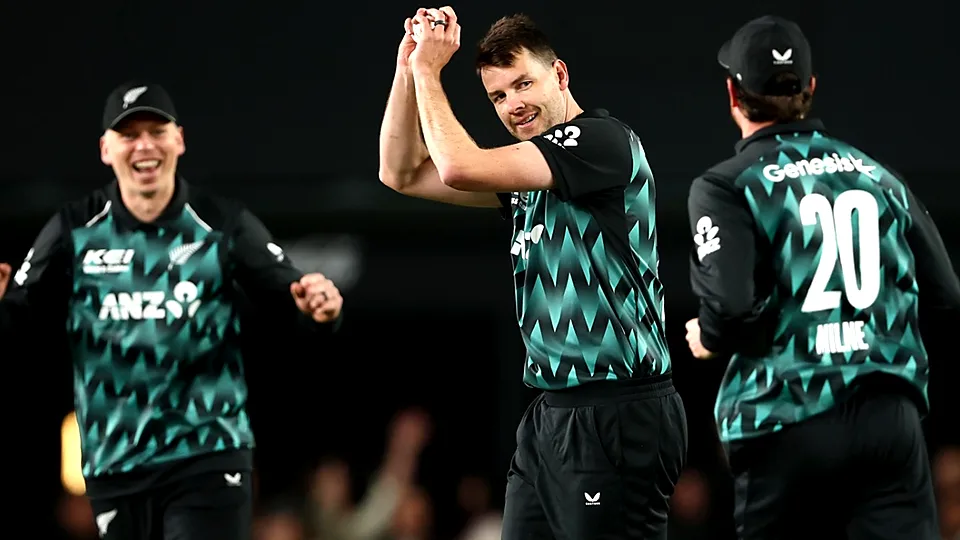
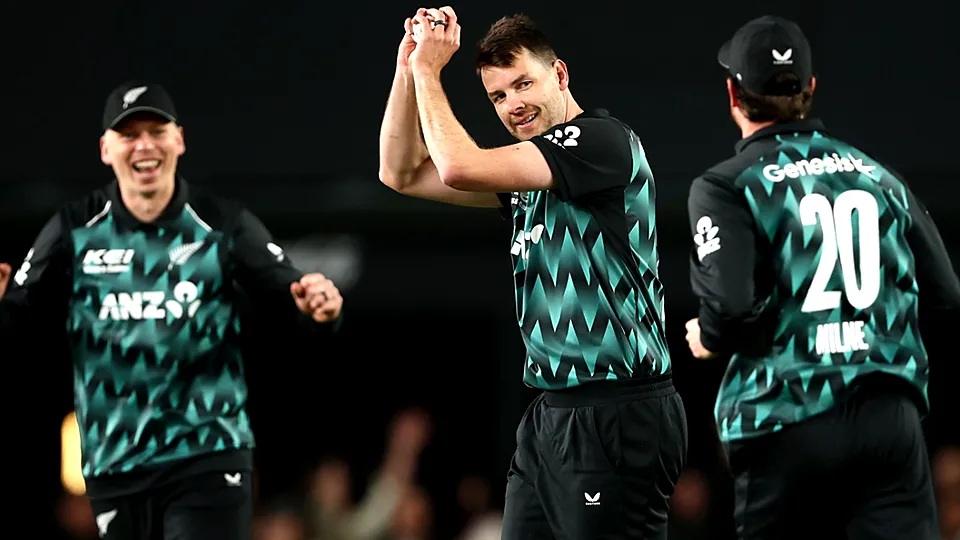
"We actually spent a lot of time facing each other in the nets, so that's quite cool," Duffy said. Translation: I know exactly where I am going to pitch. And I know exactly where you are going to miss.
Why the Middle-Overs Choke Keeps Happening
It’s not just the wickets. It’s the run-rate. When the off-spin sets up the pace, the middle overs become a grind. The Ranji grind of the T20. 15 runs off 20 balls is acceptable. 15 runs off 40 balls is a death sentence. The teams that win are the ones who realize that the opening pair’s job isn’t just to survive. It’s to set the template for the powerplay. If they play on the back foot against the off-spin, the batter down the order inherits a tight, short-pitched game. That is a tactical error. It is not a skill issue. It is a planning failure.
Think about it. You are building an eleven. You have two wrist-spinners. You have a left-arm pacer. You have a right-arm quick. Where is the Impact Player? If you put him in the middle, you are wasting a slot. If you put him in the attack, you are changing the balance of the pitch. The ball is going to behave differently when a second new ball enters the equation. The skiddy hard length becomes skiddier. The grip becomes less. The batter has to adjust again. That is the leverage. That is the edge. It is not a new technology. It is just simple geometry and ball behavior.
So, when you see Duffy facing Kohli in the nets, do not just smile at the banter. Read the line. Read the length. Read the footwork. That is where the next auction cycle will be decided. Not by the stats. By the subtle shifts in how the ball rolls off the surface when the dew hits. The math is simple. The execution is brutal. And for any scout reading this, it is a clear mandate: stop treating the Impact Player as a backup. Treat him as the key that unlocks the wrist-spin puzzle. Until then, you are just guessing where the boundary will fall.
Related coverage
- BCCI scraps selection bias: Inside the new boardroom war and Live Roulette India Rupees
- Abhishek's 35-Ball Blitz: Manifestation or Just Pure, Unadulterated Violence?

Updated 2026-11-02 · Instant Rupee Deposits & 60s Withdrawals · 24/7 Support.
Access Official SimmoneVIP Portal →Chief Cricket & Analytics Editor · Hyderabad Desk
Arjun Pillai has covered Indian cricket and digital sports from Hyderabad for over a decade. At SimmoneVIP (simmonehowell.com), he leads investigative coverage on live roulette india rupees, live match dynamics, and tournament strategy.
Reader Discussion & Match Reactions (2)4.9★ Community (2 Comments)
Verified Indian cricket reader perspectives & tactical debate on simmonehowell.com
Duffy facing Kohli in nets is the real chess match here, bhai. That hard length off-spinner trap on Mumbai's skiddy surface makes sweeping a suicide pact. RCB scouts are missing this tactical nuance completely.
Chahal spinning into that tight 27-meter bowler's end changes my fantasy math for Ahm. Pick a left-hander with sweep stats; right-handers will just slog into the gap. No rigid pairs today.