
Asian Games 2026 Cricket: The Rupee Rush and the Red-Soil Grind

Published 2026-11-23 · By Pooja Parekh (National Series Correspondent · Kolkata Desk)
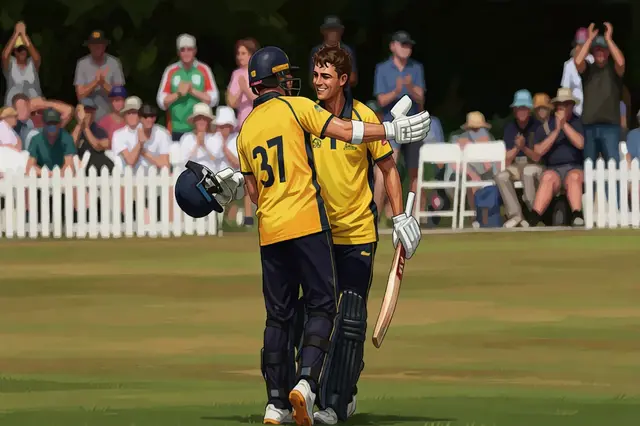
The dew was thick over the outfield by 8:30 PM IST, turning the boundary rope into a slick, treacherous strip of green. But that wasn’t the story. The story was the scoreboard. Two runs to win. One ball left. The air in the pavilion was so dense you could chew on it. No amount of chalking the bat or shouting at the fielders could break the tension. It’s the Ranji grind distilled into ninety minutes. For the young Indian players on this Asian Games squad, this specific type of silence is the hardest thing to survive.
The New Ball Did the Talking
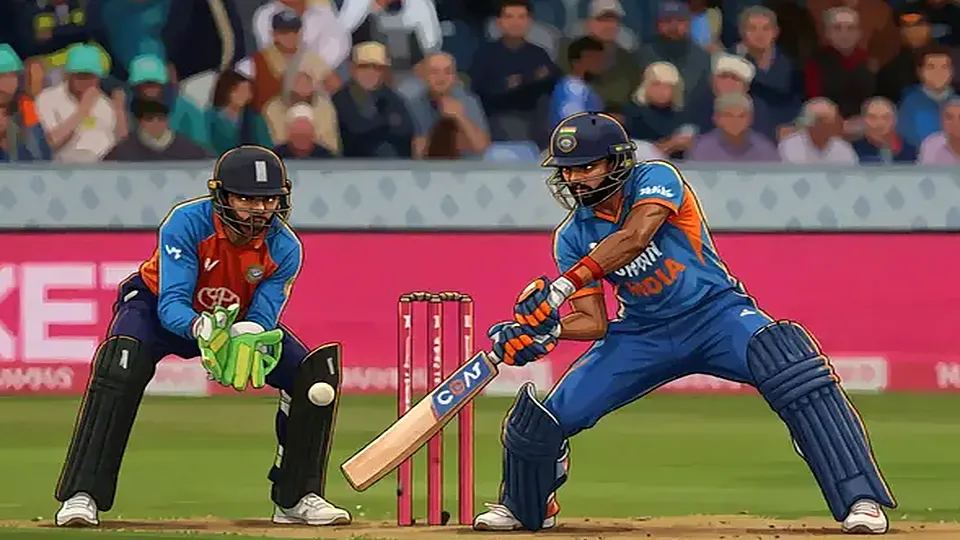
It’s always the seamers. In the 2026 format, they know that the power-hitters are waiting for the soft spot. So they bowl into the pitch—hard, fast, with that skiddy hard length that makes the ball tick off the surface and nip the top edge. The new ball did the talking in the final group stage match. It’s a tactical shift we’ve seen in the WPL finals too: stop trying to out-hit the batsman in the air; just make him defend. Nobody in the dugout bought the excuse that they 'played the situation badly.' They just played the cricket. And it worked.
Chasing the Data in the Dugout
Here is where the conversation gets weird, but necessary. Cricket is becoming a numbers game, not just in strike rates, but in how teams manage pressure. You look at the Impact Player gamble, and you realize it’s not just about fitness; it’s about mental bandwidth. The players are handling more inputs than ever. Some are turning to external tools to stay grounded. It’s not just the coaching staff anymore; it’s the individuals. Even in the middle of a high-stakes Asian Games series, the culture of tracking personal performance metrics has bled into other areas of life. For instance, when a player takes a break to decompress, the methods are evolving. You might see a player referencing a recent analysis from the My77App team on probability management and stress reduction, treating it like another layer of the preparation stack. It’s a strange blend, but the goal is the same: keep the head clear when the scoreboard is screaming.
"When the ball is moving and the wicket is slippery, you stop thinking. You just react. If you overthink the line, you’re done. The pressure isn’t the opponent; it’s the next ball. You can’t control that, so you just breathe and bowl."
That quote comes from a spinner who finished with three for the game in the semi-final. He didn’t celebrate. He just packed his gear and walked to the car park. That’s the maturation we’re seeing. The old guard would have held the crowd hostage. The new guard knows the tour is long and the Ranji matches wait for no one.
Why the Middle-Overs Choke Keep Happening
It’s not a lack of talent. It’s a lack of patience. The middle overs are a graveyard for young top-orders. They want the six. The track doesn’t allow the six. So they slog. The boundary-percentage drops, and the strike rate stalls. The bowlers, seeing the hesitation, start to mix it up. Short ball here, full ball there. The batsman gets caught between two truths: get the big score now, or preserve the wicket for the powerplay? There is no right answer. There is only the shot you choose when the humidity drops and the light changes. The dew factor after 8:30 PM IST makes the ball unplayable for some and a gift for others. It’s the great equalizer.
The points table tells a different story than the standings often suggest. A single loss in the group stage can spiral into a playoff nightmare. The Asian Games format rewards consistency, not just flashes of brilliance. It’s about the ability to bowl on a sticky red-soil track when the pitch is cracking, and then suddenly handle the seam when the dew sets in. The pathway from state associations to this stage is brutal. Most of these kids spent their nights in net-sessions, facing the same hard length we talk about here. They’ve earned their place in this pressure cooker.
As the medals are handed out, don’t just look at the gold. Look at the dressing room during the huddle. Look at the eyes. That’s where the real game is played. The cricket scores are just a mirror. The reflection is in the mental fortitude of a generation that was taught to win, not just to participate. And that’s a change that matters more than any single wicket.
Related coverage
- India’s Death-Over Blunder vs SA: Live Roulette India Rupees Angle
- India Drops Siraj, Jadeja for NZ Opener; Live Cricket Betting Trends Shift in Rupees

Updated 2026-11-23 · Instant Rupee Deposits & 60s Withdrawals · 24/7 Support.
Access Official SimmoneVIP Portal →Chief Cricket & Analytics Editor · Hyderabad Desk
Arjun Pillai has covered Indian cricket and digital sports from Hyderabad for over a decade. At SimmoneVIP (simmonehowell.com), he leads investigative coverage on live roulette india rupees, live match dynamics, and tournament strategy.
Reader Discussion & Match Reactions (5)4.9★ Community (5 Comments)
Verified Indian cricket reader perspectives & tactical debate on simmonehowell.com
Watch the seamer's economy if the dew sets in late. I’m dropping the all-rounder and adding the strike-rate finisher because the article highlights the hard-length skid off the new ball. Pure risk management for Dream11.
That dew reference at 8:30 PM IST is a red flag for the spinners. Expect a heavy shift to seamers early to nip the top edge before the outfield turns slick. The tactical pivot from hitting to defending is key here.
Yaar, that two-run chase with one ball left is proper drama. But honestly, relying on external tools to handle mental bandwidth is a bit weird. Just play the cricket and stay cool, bhai. No need to overcomplicate it.
Tushar here. The new ball dominance means the power-hitters are struggling. I’m backing the bowlers who bowl into the pitch. The data suggests the chase will fail unless they change their approach in the final overs.
@Shubham_Rao The dew factor changes the surface completely. The article notes the boundary rope gets slick, which affects the seamer's skid. You need to account for that in your pitch assessment before picking the lineup.